Collaboration
Collaborative Cues
Ben Emmens provides a primer on collaboration between different organizations and sectors.
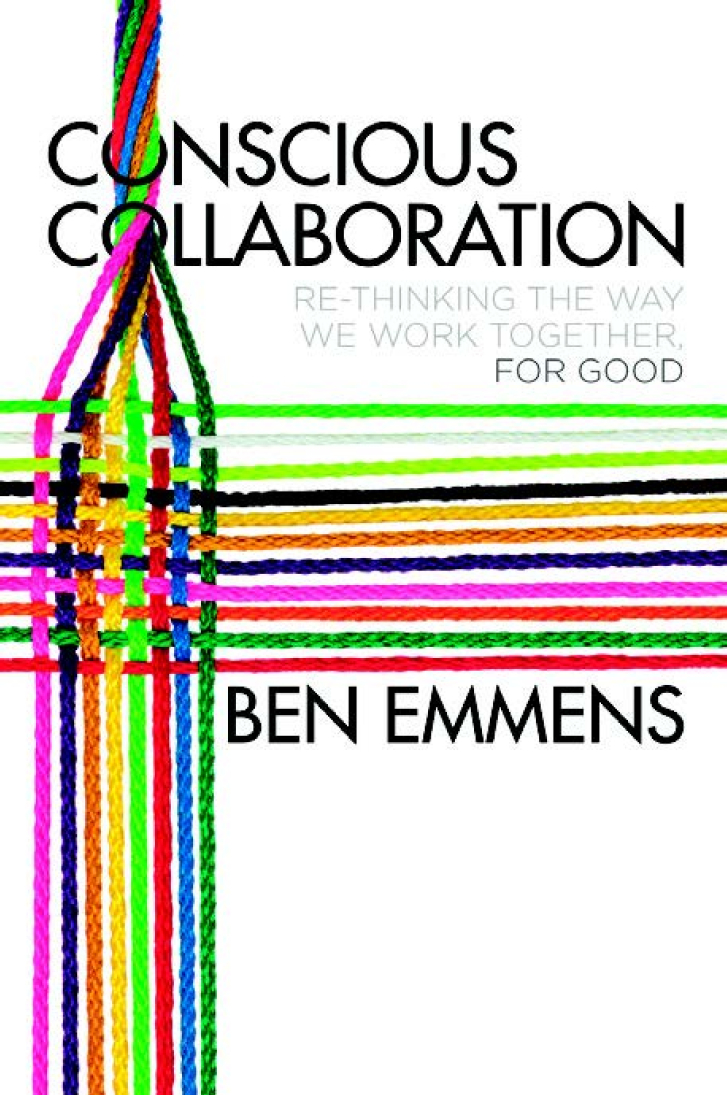
Ben Emmens provides a primer on collaboration between different organizations and sectors.

Top-down development doesn't work. What's needed is a "pull model" created by locals, funders, and government agencies working together as equals.

When monitoring and evaluation are in an organization’s DNA, as they are at SNEHA, it’s much easier to create partnerships with government agencies and NGOs.
Proprietary data can help improve and save lives, but fully harnessing its potential will require a cultural transformation in the way companies, governments, and other organizations treat and act on data.
Most foundations have endowments with invested assets—but many don’t see themselves as institutional investors. As a result, they are leaving behind some of their influence.
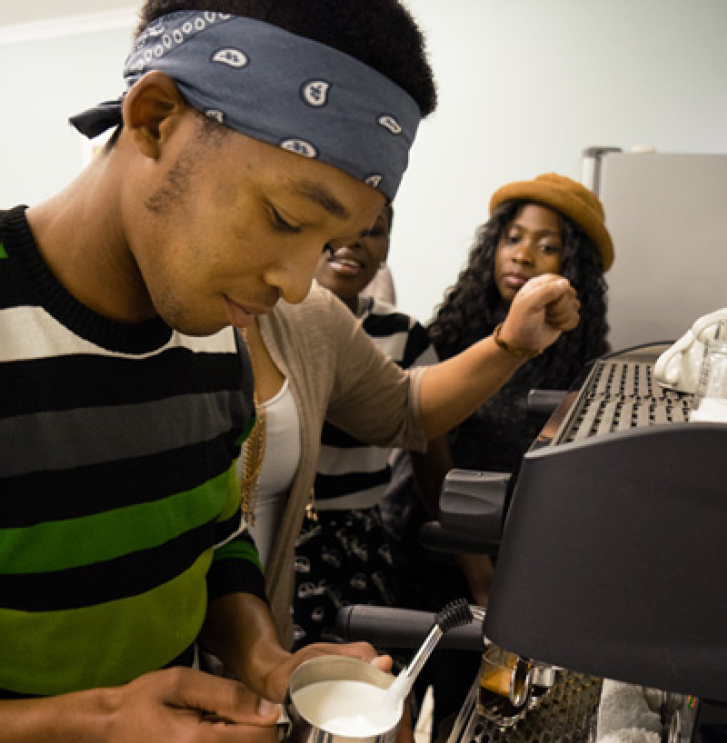
Instead of prescribing higher education as the silver-bullet solution to poverty, we must provide diverse and contextualized pathways to disadvantaged children, enabling them to redefine the dominant narrative of success.
Social innovation educators are responsible for teaching students how to become collaborative community partners. Here's how.
A collective impact effort in Greater Cincinnati offers a useful framework for evaluating community change.
Are social entrepreneurship education programs excluding those who have directly experienced social problems from working on social change solutions?
Three lessons from the field for NGOs pursuing social impact investing.